The kitchen drawer was still open when my friend asked why I kept saying I was fine. I know because the moment around the kitchen drawer felt small enough to deny and specific enough to stay. I had been confusing calm with being easy to love.
The laundry chair had become a small museum of the week: sweater, scarf, receipt, and the thing I kept moving from room to room. I kept fixing small things because large feelings had no shelf, no drawer, no polite place to wait.
If I kept the room quiet enough, maybe nobody would hear what I had not said.
For a while, the quiet helped. It made the day easier to carry and the room easier to enter.
After the kitchen drawer, I got good at the small choreography of being believable. I wiped the sink before anyone came over, saved cheerful messages until morning, and learned which angle made my face look rested. When my friend asked why I kept saying I was fine, I treated the calm like a compliment instead of a costume. The strangest part was that I did not hate the costume. Some days it was the only thing that helped me leave the apartment.
If anyone had looked closely at the birthday card, they might have missed everything important. That was the point. The evidence was ordinary enough to survive in public: one quiet message, one patient box, one sentence written and abandoned before it could become brave.
I became careful in ways that looked like taste. Because I had been confusing calm with being easy to love, I chose rooms with soft corners, wore colors that did not start conversations, and kept my phone face down when someone might ask whose name had just appeared. None of it felt dishonest at first. It felt like manners. It felt like surviving the part of the day where people expected me to know myself.
Then the careful version of me started sounding more real than I did.
The room did not change, but my trust in the performance did. The laundry chair had become a small museum of the week: sweater, scarf, receipt, and the thing I kept moving from room to room. The counter was clear, the answer was ready, and still I felt caught standing beside a version of myself I had over-rehearsed.
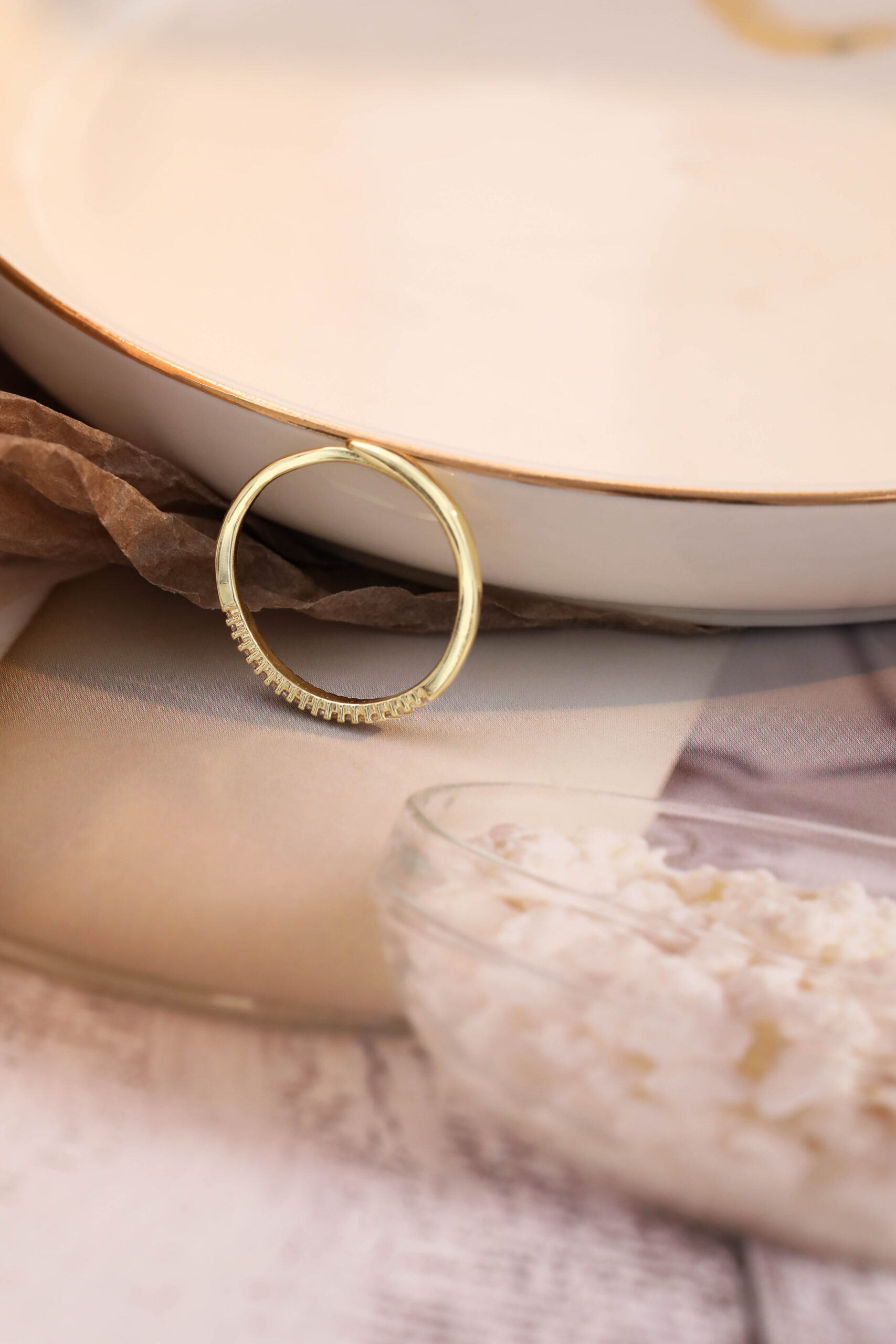
The ring came out of the box quietly, with the kind of calm that made my own carefulness feel louder.
In that scene, the ring worked as a visible place for a feeling that did not need a speech.
I turned it once near the window and thought about a low-pressure gift. The detail did not improve the room. It did not forgive me. It only made one honest thing visible, which was more useful than comfort.
Nothing about the birthday card was important enough for a speech. That was why it worked. It let the feeling stay small without letting it disappear, which was the closest I had come to honesty all week.
At the table, someone noticed the detail before I had prepared a story for it. I touched the ring once, not to explain a low-pressure gift, but to keep myself from laughing it away. The fork struck the plate. The conversation moved on. I stayed in the room.
I found the birthday card again the next morning. Nothing about it had changed, but I had stopped treating it like evidence against me. It was only part of a low-pressure gift, and that made it easier to leave where it was.
I still like pretty things. I just trust them more when they do not have to perform a miracle. A small detail can be enough when it lets the feeling stay human instead of polished into silence.
I wanted a grander ending once. Now I think the quieter one is harder. You leave the kitchen drawer in view. You answer the message honestly enough. You let the day see one piece of you before it is fully composed.
That was the part I trusted: not the shine, not the gesture, but the way the kitchen drawer and the small detail could share the same ordinary surface without pretending to be more.
I kept the box on the counter and stopped moving it out of the frame.
A quiet product note
If this small detail stayed with you
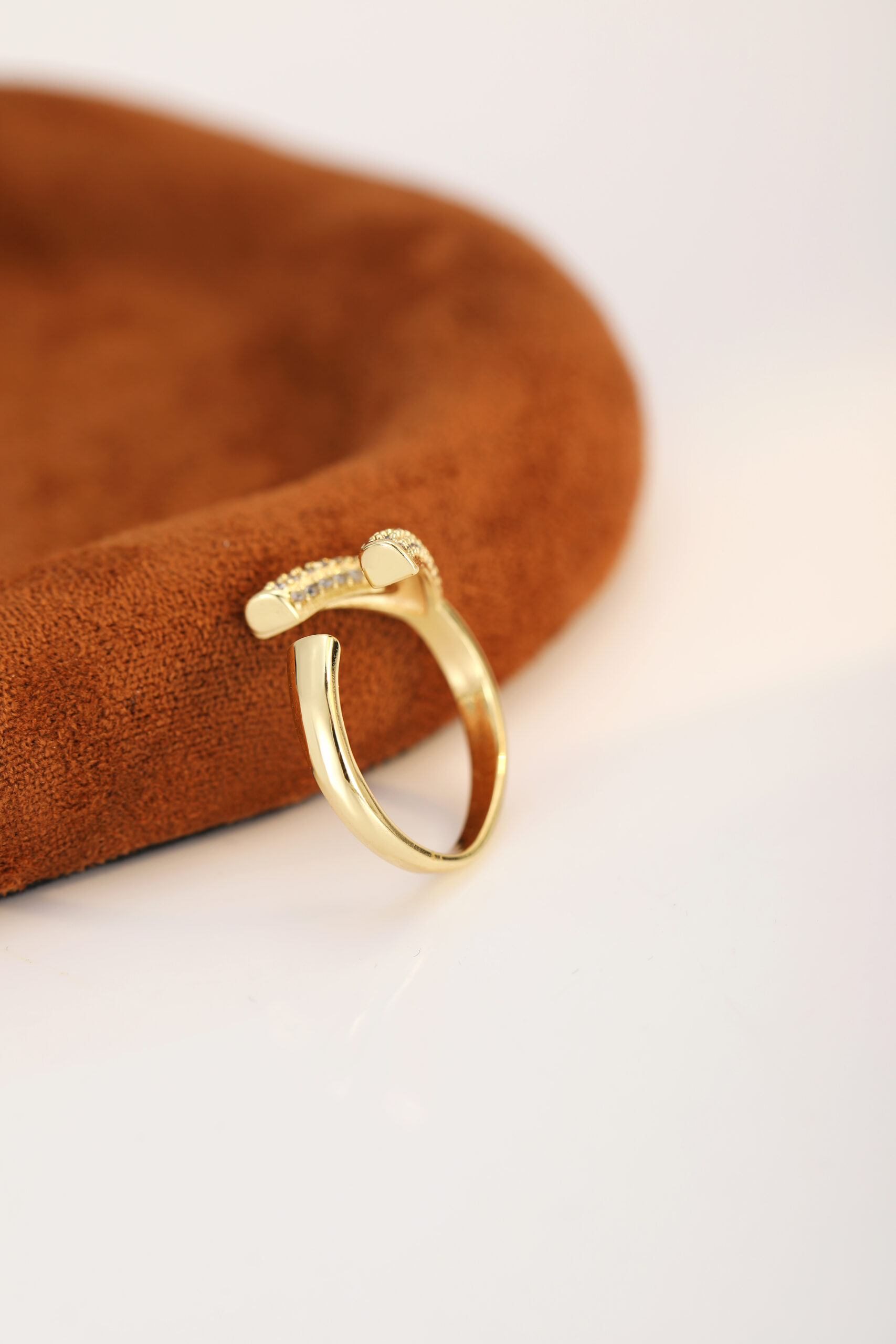
If this story reminded you of a small detail you keep choosing, you can compare the live photos, current price, shipping, and returns for Classic Minimalist Ring Everyday Elegance.
$39.99
First order code: EHTAN10
Compare photos and current priceFAQ
How do you choose rings for a low-pressure gift when someone who notices small details may notice the kitchen drawer and every small detail?
Start with the person and the ordinary scene first. Then use the live page to compare photos, current price, shipping, and returns for the ring.
Are rings lower risk than a dramatic jewelry gift?
They can be when the scale feels easy for a low-pressure gift and the style does not require a new outfit or a larger reaction.
What should I compare on the product page?
Compare photos, scale, current price, shipping, returns, and first-order code EHTAN10.